

The Ethical Jewelry Importance: Why Choosing Responsibly Matters
- Feb 9
- 4 min read
In recent years, the jewelry industry has seen a significant shift. More people are becoming aware of the impact their purchases have on the environment and society. This awareness has led to a growing interest in ethical jewelry. As someone who values craftsmanship and sustainability, I find it essential to explore why ethical jewelry importance cannot be overstated. Jewelry is not just an accessory; it is a statement of values and a reflection of the world we want to support.
Understanding Ethical Jewelry Importance
Ethical jewelry importance lies in the way it addresses the social and environmental challenges linked to traditional jewelry production. Conventional mining and manufacturing often involve harmful practices. These include environmental degradation, unsafe working conditions, and exploitation of workers. Ethical jewelry brands aim to change this by prioritizing transparency, fair labor, and sustainable materials.
For example, many ethical jewelers use recycled metals and conflict-free gemstones. This reduces the need for new mining, which can cause deforestation and pollution. Additionally, they ensure that artisans receive fair wages and work in safe environments. This approach not only protects the planet but also uplifts communities involved in the jewelry-making process.

The Role of Transparency and Traceability
One of the key aspects of ethical jewelry importance is transparency. Knowing where and how jewelry is made helps consumers make informed choices. Ethical brands often provide detailed information about their supply chains. This includes the origin of materials and the conditions under which they were sourced.
Traceability is crucial because it holds companies accountable. When a brand openly shares its sourcing practices, it builds trust with customers. It also encourages other companies to adopt similar standards. For instance, some brands use blockchain technology to track gemstones from mine to market. This innovation ensures that every piece of jewelry has a verified ethical background.
How to Identify Ethical Jewelry Brands
Finding truly ethical jewelry can be challenging. The market is flooded with products claiming to be sustainable or fair trade. To navigate this, I recommend looking for specific certifications and practices:
Fair Trade Certification: Ensures fair wages and safe working conditions.
Recycled Materials: Indicates the use of metals and stones that reduce environmental impact.
Conflict-Free Diamonds: Guarantees that diamonds are sourced without funding violence.
Artisan Collaboration: Shows support for local craftspeople and traditional techniques.
Additionally, reading brand stories and customer reviews can provide insight into their commitment. When shopping, ask questions about sourcing and production. Ethical brands are usually transparent and happy to share this information.

The Impact of Supporting Ethical Jewelry Brands
Choosing to support ethical jewelry brands has a ripple effect. It encourages sustainable practices across the industry. When consumers demand ethical products, companies respond by improving their standards. This shift benefits the environment, workers, and communities.
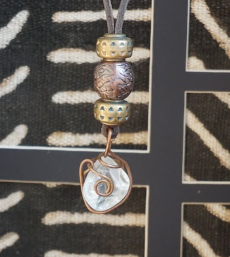
Moreover, ethical jewelry often features unique, handmade designs. This aligns with the desire for accessories that stand out and carry meaning. By investing in these pieces, you are not only acquiring beautiful jewelry but also contributing to a better world.
For example, Brownhaze Jewelry & Accessories focuses on sustainable handmade jewelry and culturally inspired designs. Their commitment to ethical production helps preserve traditional craftsmanship while promoting environmental responsibility.
Practical Tips for Conscious Jewelry Shopping
To make the most of your ethical jewelry journey, consider these practical tips:
Research Brands Thoroughly: Look for detailed information on sourcing and labor practices.
Prioritize Quality Over Quantity: Choose pieces that will last and hold sentimental value.
Ask About Materials: Confirm if metals and stones are recycled or conflict-free.
Support Local Artisans: Buying directly from makers helps sustain communities.
Consider Secondhand Jewelry: Vintage pieces can be a sustainable and unique option.
By following these steps, you can build a collection that reflects your values and supports ethical practices.
Embracing Ethical Jewelry as a Lifestyle Choice
Ethical jewelry importance extends beyond individual purchases. It represents a lifestyle choice that values responsibility and mindfulness. Wearing jewelry made with care and respect for people and the planet can inspire others to think differently about consumption.
This mindset encourages us to slow down and appreciate the stories behind our accessories. It also fosters a deeper connection to the items we wear daily. Ethical jewelry is not just about aesthetics; it is about making a positive impact through thoughtful choices.
In conclusion, embracing ethical jewelry is a meaningful way to align style with values. It supports sustainable development, fair labor, and environmental stewardship. As the demand for ethical options grows, so does the opportunity to create a jewelry industry that respects both people and the planet.
For those interested in exploring this further, I recommend checking out ethical jewelry brands that prioritize these principles. Their collections offer beautiful, sustainable options that resonate with conscious shoppers.
By choosing ethical jewelry, we contribute to a future where beauty and responsibility go hand in hand. This is the true importance of ethical jewelry - a commitment to making the world a better place, one piece at a time.


Comments